
_

OUR PURPOSE.

When it comes to heat, some people like a bit of spice. There are others however, that really enjoy heat. An unimaginable amount of heat; barely tested my mortal humans. Often the question of "why?" comes into play. Super hot peppers are an insanely interesting combination of nature, insanity, and science. Heat is not the only aspect of a super hot pepper. There are many flavor profiles that peppers posses. The purpose of World of Superhots is to share the amazing world of peppers while bringing the pepper community together.  

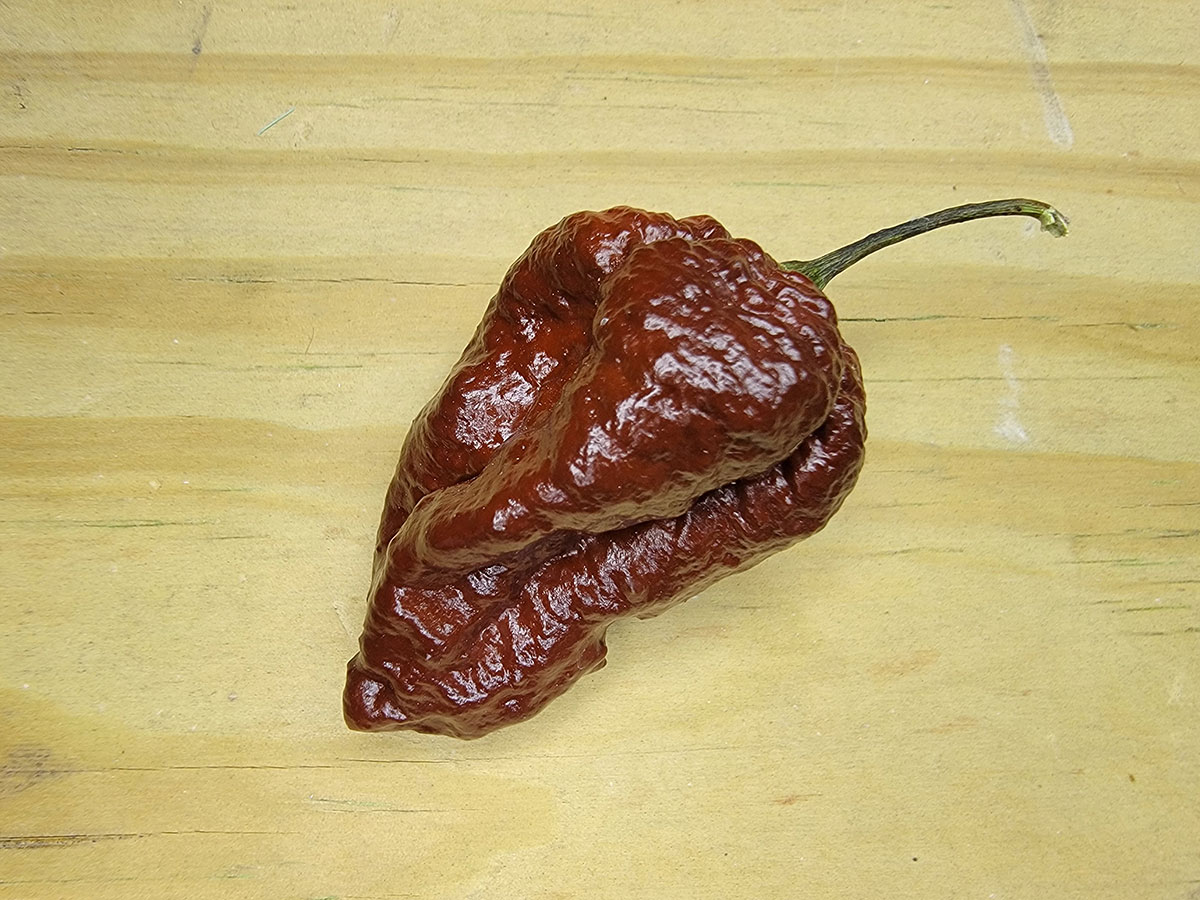
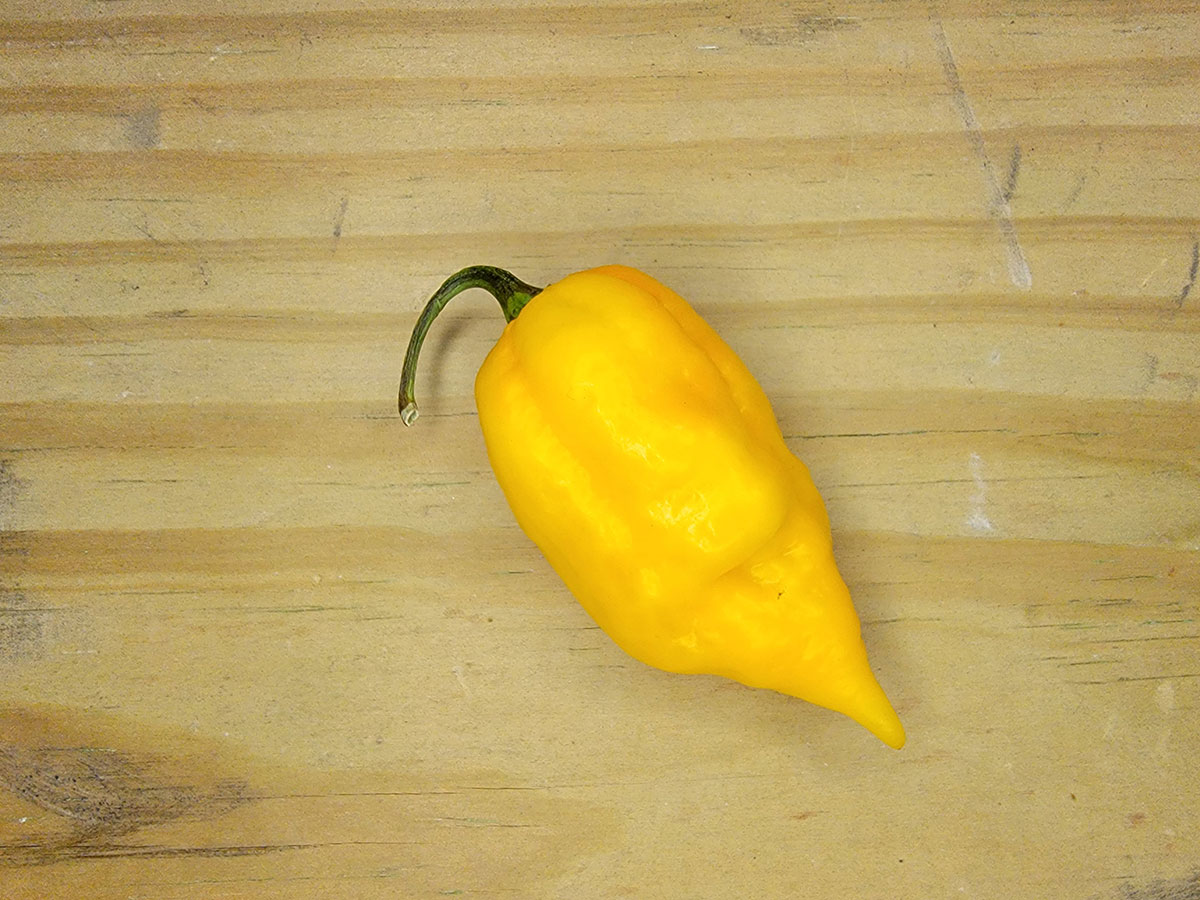
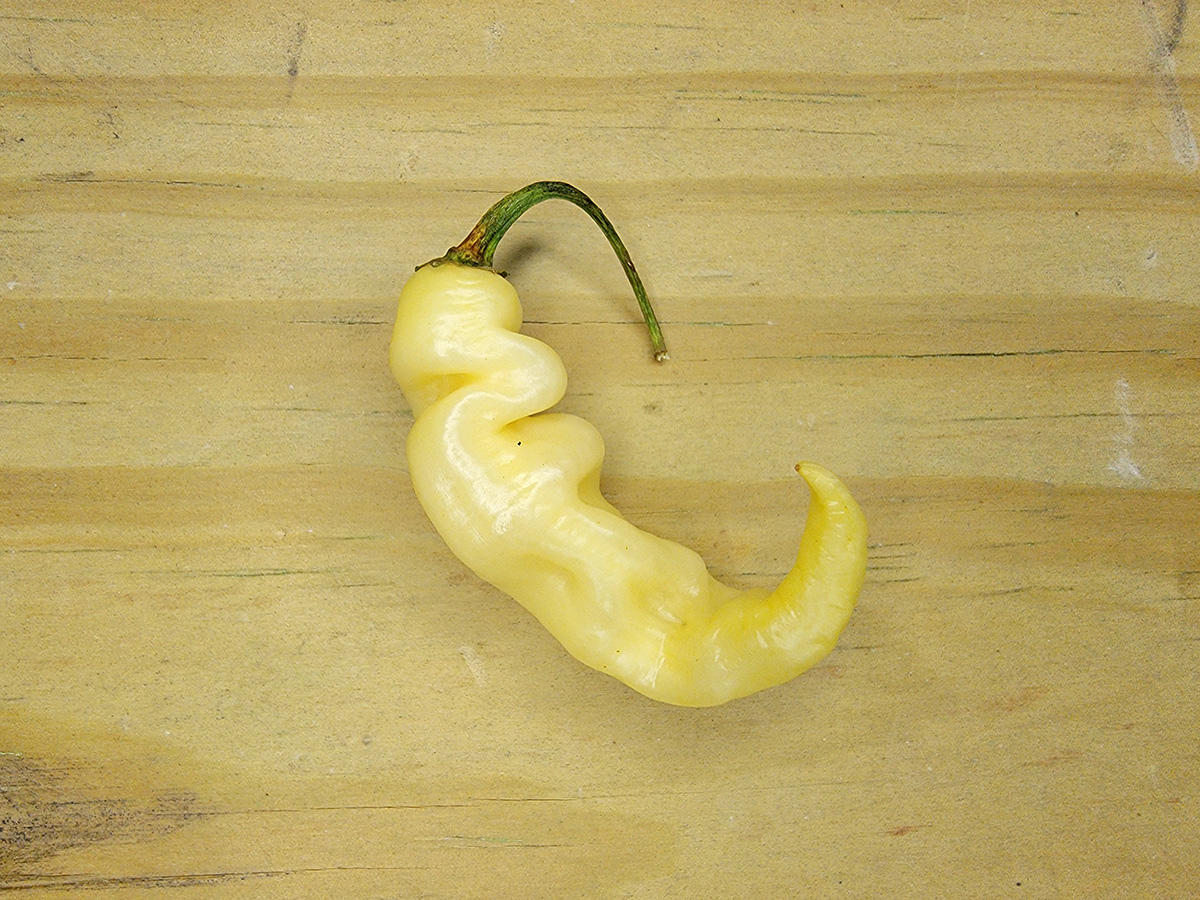
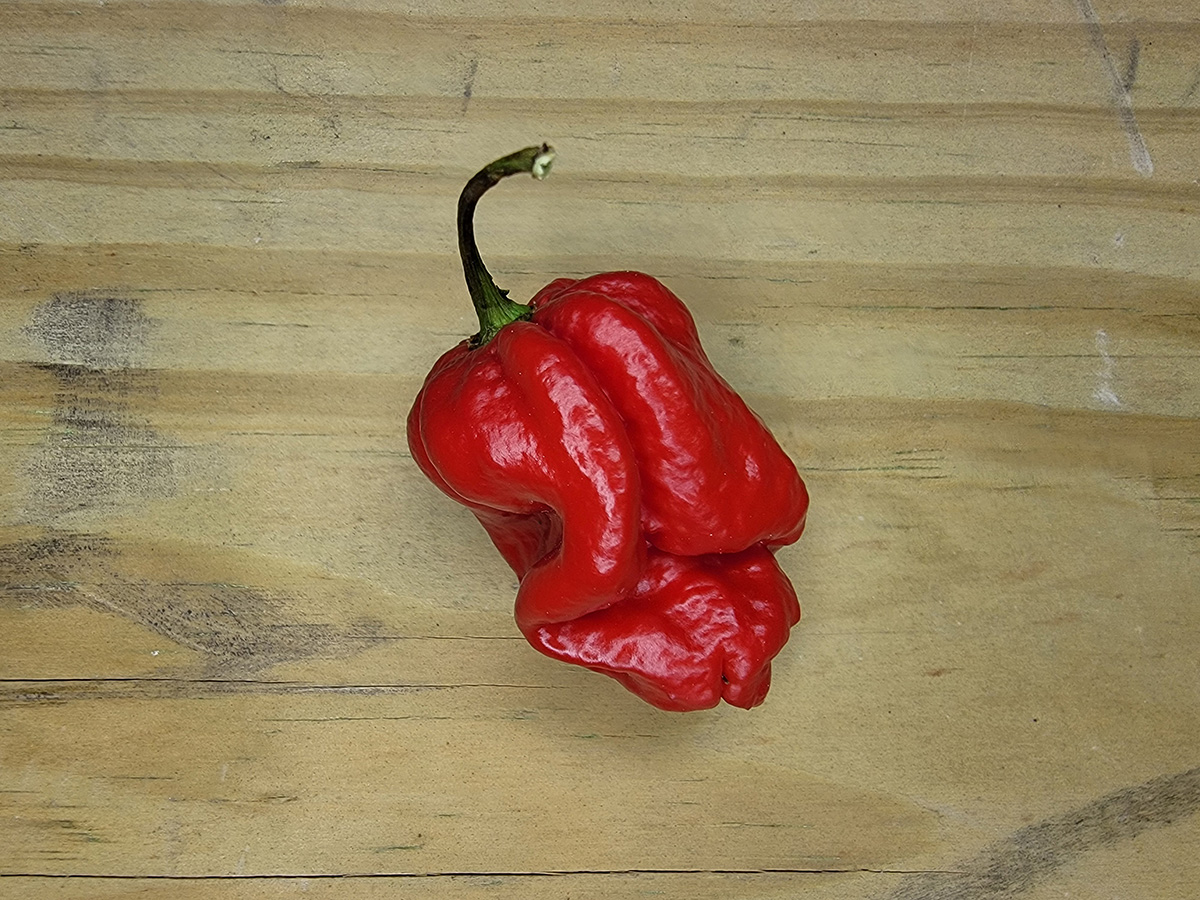
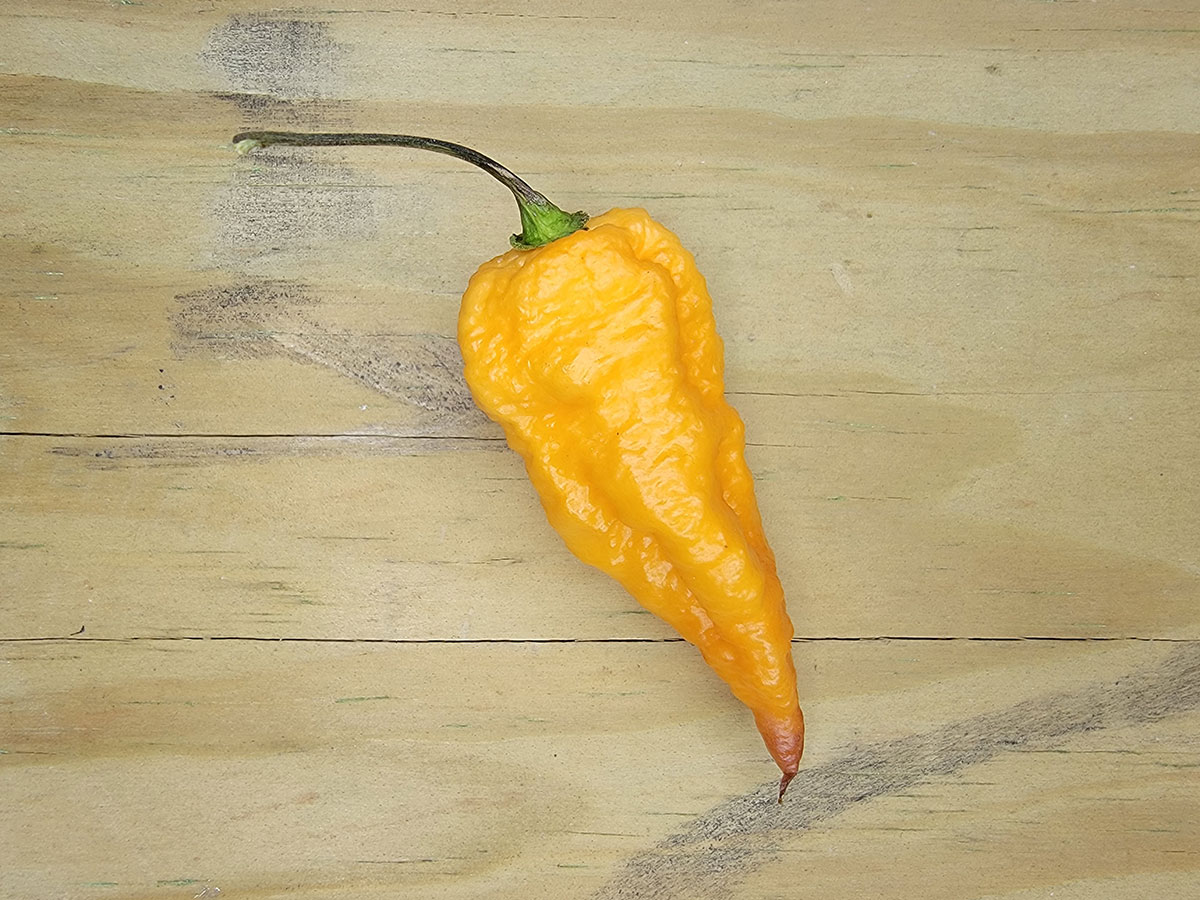
Superhot peppers belong to various species, including Capsicum chinense (e.g., Carolina Reaper, Trinidad Scorpion), Capsicum frutescens (e.g., Tabasco pepper), and Capsicum baccatum (e.g., Brazilian Ghost Pepper). Each species contributes unique flavors and heat profiles.
_

FREQUENTLY

ASKED QUESTIONS

Welcome to our FAQ section, where we answer your burning questions about legendary superhot peppers! Learn about the Scoville scale, handling and storing super hot peppers, growing your own fiery plants, and more. Discover the health benefits of capsaicin and get safety tips for cooking with and consuming these spicy delights. Whether you're a heat enthusiast or just curious, our FAQ section has you covered.

Why?

People eat superhot peppers for the thrill of their intense heat, the unique flavors they offer, and the potential health benefits such as boosting metabolism and reducing inflammation. Plus, they're great for adding an exciting kick to dishes. A better question would be - Why not?

What are the hottest peppers in the world?

This is a highly debated question which has results that can change every year. Whether you go off of Guinness World Records, Wikipedia, Johhny Scoville, or hearsay, everyone can agree Pepper X, Carolina Reaper, Trinidad Scorpion, Naga Viper, 7-Pot variations, and many more are all contenders for the hottest. 

What is the Scoville scale and how does it work?

The Scoville scale is a measurement system used to gauge the heat or spiciness of peppers and spicy foods. Developed by Wilbur Scoville in 1912, it quantifies the concentration of capsaicinoids, particularly capsaicin, which is responsible for the heat sensation in spicy foods. The scale assigns peppers and spicy foods a rating in Scoville Heat Units (SHU), with higher SHU indicating hotter taste. This rating is determined through a dilution process where pepper extracts are diluted until the heat is no longer detectable by a sensory panel of testers. For example, a bell pepper has a SHU of 0, while the Carolina Reaper, one of the world's hottest peppers, averages around 1.6 million SHU, reaching up to 2.2 million SHU. Advanced laboratory methods like high-performance liquid chromatography (HPLC) are also used today to accurately measure capsaicinoid levels and determine a pepper's SHU.

Can eating hot peppers be harmful?

Eating hot peppers can have both benefits and potential risks. On the positive side, they contain capsaicin, a compound known for its health benefits such as boosting metabolism, reducing inflammation, and acting as a natural pain reliever. However, consuming extremely spicy peppers, especially in large quantities or for individuals with certain health conditions like acid reflux or gastrointestinal issues, can lead to discomfort, heartburn, and digestive upset. In rare cases, consuming extremely hot peppers can even cause more severe reactions such as allergic reactions or damage to the digestive tract lining. It's important to consume hot peppers in moderation and be mindful of personal tolerance levels and any pre-existing health concerns.

_

LATEST RESOURCES