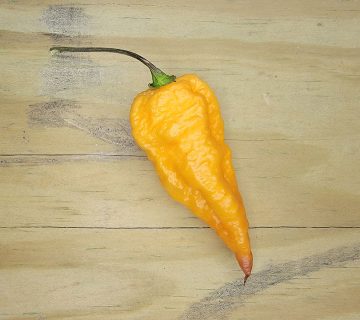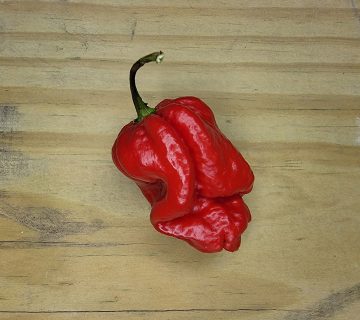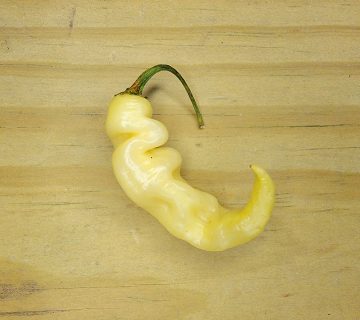
The habanero pepper is a small but mighty chili known for its intense heat and distinctive fruity flavor. Originating from the Amazon region, it spread through Mexico, where it is a staple in many traditional dishes. The name "Habanero" means "from Havana" in Spanish, though the pepper is not originally from Cuba.
Habaneros typically measure between 100,000 to 350,000 Scoville Heat Units (SHU), making them significantly hotter than jalapeños. They come in various colors, including orange, red, yellow, and green, with the orange variety being the most common. Despite their fiery reputation, habanero peppers are cherished for their unique taste, which adds a sweet and citrusy kick to salsas, sauces, and marinades. Rich in vitamins A and C, they also offer potential health benefits, such as boosting metabolism and supporting the immune system. However, their extreme heat requires careful handling to avoid irritation or discomfort. Some consider the mighty habanero the first hurdle on the road to becoming a pepperhead.
In 1999 the Guinness World Records book listed the Habanero pepper as the hottest in the world. Since then, we have new contenders and far hotter peppers, but we must not forget the staple habanero.
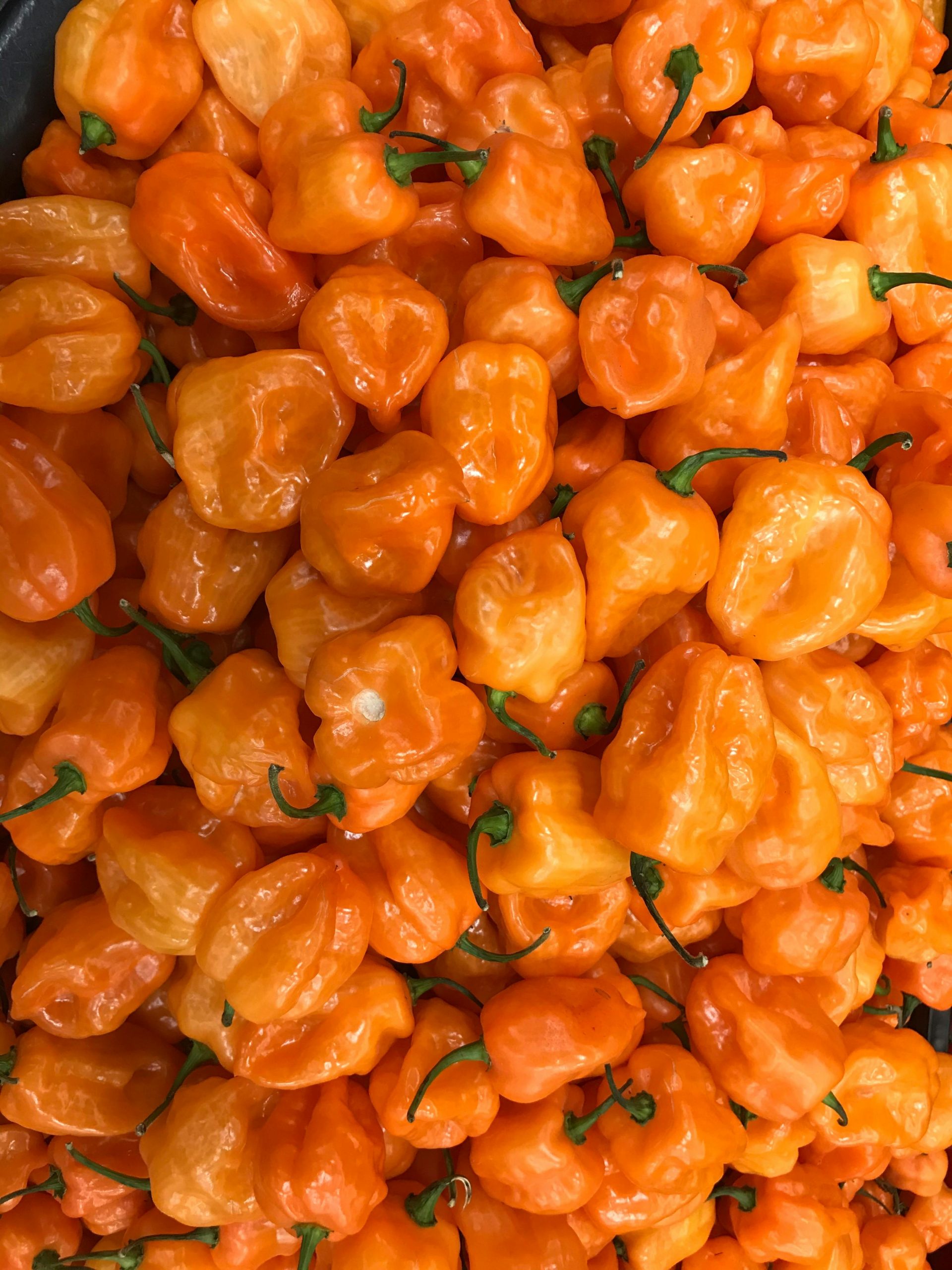
Shape and Size
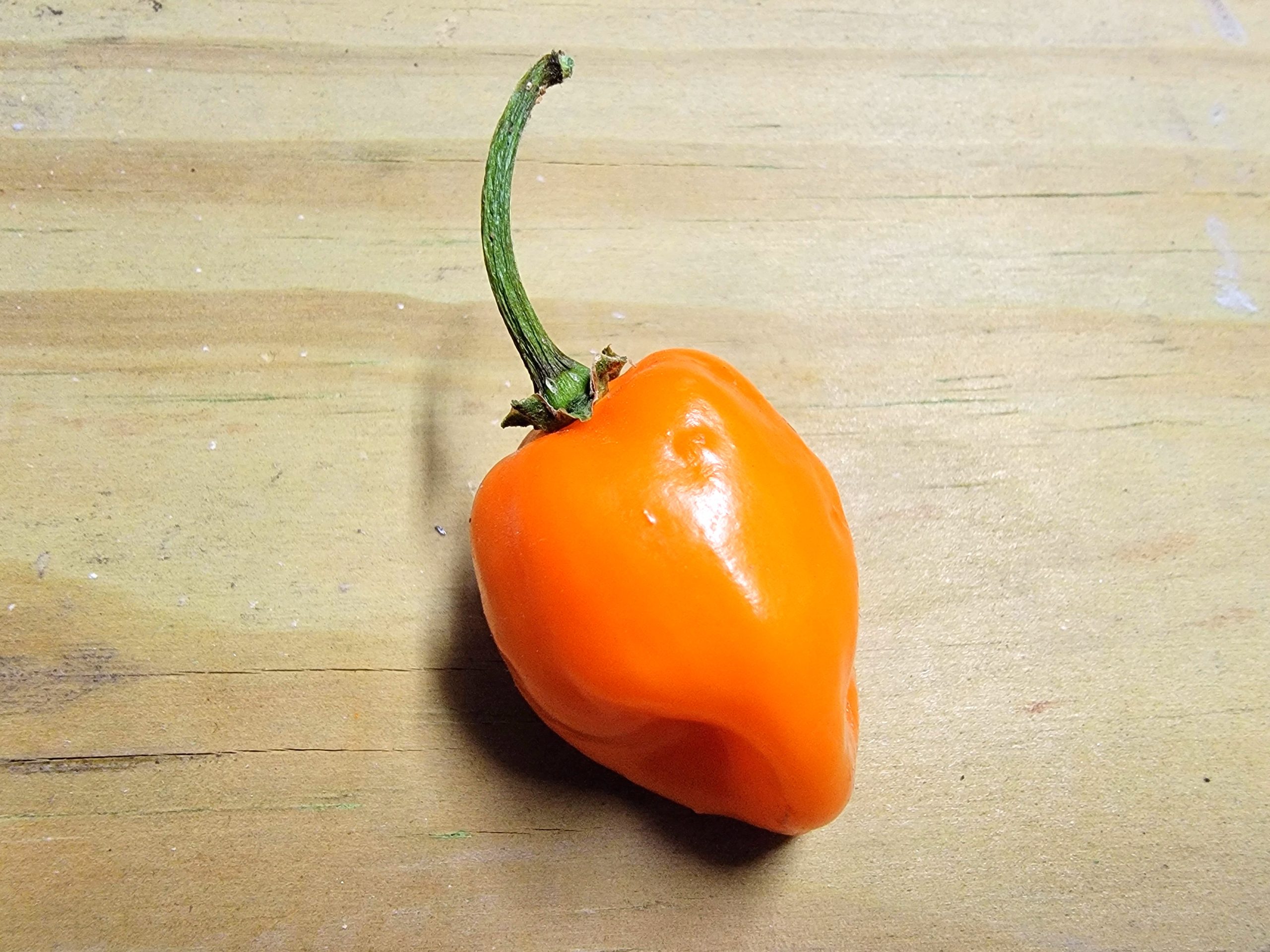
- Shape: Habanero peppers have a distinctive lantern or bell-like shape. They are small and somewhat squat, with a rounded bottom that tapers slightly to a point.
- Size: Typically, they measure between 1 to 2.5 inches in length and about 1 to 2 inches in diameter.
Skin
- Texture: The skin of a Habanero pepper is smooth and glossy. It has a slightly wrinkled or crinkled appearance, especially as it matures.
- Thickness: The skin is relatively thin compared to some other peppers, which makes it easy to bite into.
Color
- Immature: When young, Habanero peppers start out green.
- Mature: As they ripen, they change color. The most common colors are bright orange or red, but they can also turn yellow, brown, or even white, depending on the variety.
Stem
- Stem: Habanero peppers have a short, sturdy green stem that attaches to the top of the pepper. The stem is usually slightly curved.
Inside
- Seeds: Inside the Habanero pepper, there are numerous small, flat, cream-colored seeds attached to the central placenta. The seeds and the membrane are where most of the capsaicin (the compound responsible for the pepper’s heat) is concentrated.
- Membrane: The interior is divided into segments by a white membrane, which also contains capsaicin.
Overall Appearance
- Visual Appeal: Habanero peppers are visually striking due to their vibrant colors and shiny, smooth surface. Their compact size and distinctive shape make them easily recognizable.
The combination of their small, lantern-like shape, smooth but slightly wrinkled skin, and vivid colors make Habanero peppers stand out among other chili peppers.
- Flavor: Beyond the heat, Habanero peppers are known for their unique, fruity flavor. They have notes of citrus and tropical fruits like apricot and mango, which add complexity to their heat.
- Aroma: Habaneros also have a distinctive aroma that complements their flavor, often described as slightly floral and fruity.
Habanero peppers have a signature “sting” that can be noticed on the tongue or throat. The have a burn sensation, but it is more of a stinging sensation if your tolerance is lower. Habaneros can easily scare off newfound pepperheads looking to make hurdles due to this sting.
Orange Habanero: The most common type, known for its bright orange color and typical habanero heat, ranging from 100,000 to 350,000 Scoville Heat Units (SHU).
Red Habanero: Similar in heat to the orange variety, but with a slightly different flavor profile, often described as fruitier and slightly sweeter.
Chocolate Habanero (Congo Black): This variety has a rich, smoky flavor and dark brown color, with heat levels that can exceed 400,000 SHU.
Yellow Habanero: Known for its vibrant yellow color and a slightly more citrusy flavor, with heat levels similar to the orange and red varieties.
White Habanero: Smaller and less common, this type is pale in color and typically has a milder heat level, around 100,000 SHU.
Caribbean Red Habanero: This variety is hotter than the typical orange habanero, often reaching up to 475,000 SHU, and has a bright red color.
Peach Habanero: Recognizable by its peach color, this type has a slightly more floral and fruity flavor, with heat levels comparable to the orange variety.
Peruvian White Habanero: A rare variety, it is very small and has an intense heat despite its mild appearance.
Mustard Habanero: This variety transitions from green to a mustard color as it matures and has a unique flavor profile with comparable heat levels to other habaneros.